Monday, May 7, 2018

Raised Bed Gardening: What Are The Benefits?

Raised bed - Photo: Pixabay
For this article I'm going to stray from my normal topic of Internet marketing and indulge myself with one my passions........gardening........, in particular, raised bed gardening.

So here we go!

Where soil is of poor quality and drainage inadequate, raised bed gardening makes it simple to create patches of fertile, well-drained soil. This can, in turn, save money as well as time too!
It is considerably cheaper and less effort than installing a drainage system and then trucking in topsoil.

Combined with good drainage control, you can grow all sorts of fussy plants.

Raised bed gardening elevates plants to a more workable level, making them easier to tend to. Raised bed gardening is also great for vegetable or cutting gardens.

For gardeners in wheelchairs or with back pain, raised bed gardening is a godsend. Just make sure the area between the beds is wide and firm enough for ease of movement.

Raised bed gardening is extremely low maintenance too. Plants can be kept organized, and all the soil and debris can be kept within its borders. This means a serious reduction in your hard work!

There are many reasons for the Raised beds revival. But probably the most important is more production per square foot of garden. Raised beds don't require the usual space between rows because you don't walk in the bed to cultivate or harvest.

Greater production can be achieved with raised bed gardening because of the lack of soil compaction. In a normal garden, you have to leave space between the plants in order to work them properly. This then leads to soil compaction which can reduce crop yields up to 50 percent. All a plant's needs i.e water and air have trouble moving through the compacted soil.

When compaction isn't the only problem, then raised bed gardening can help there too. Homeowners may have areas unsuited for conventional gardens. Raised bed gardening will physically rise above these, with frames as its foundation. It allows you to recycle problem spots!

Raised beds are also a boom with pest control too. If you get an invasion of furry little critters, simply line the bed with poultry wire or some hardware cloth. You can discourage rabbits by placing their favorite foods in a framed bed with a low fence.

Well, I hope I've done a decent job of highlighting some of the benefits of raised bed gardening.

Thanks for reading

Caiden “Green Fingers” Felix


Sunday, May 6, 2018

The Right Grill for your Barbecue

BBQ Grill - Photo: Wikimedia
Barbecue is a mix of talents. There is the choice of meat (or in some cases vegetables), the creation and choice of sauce, and of course the flame. Once the components are gathered together, then the real talent starts with the maintenance of the flame, smoke, turnings and sauce applications. 

We are going to focus on the flame and the types of flame sources for our barbecue. There are basically three main sources in use today: Wood, Charcoal, and Natural gas or propane. 
Natural gas and propane

Gas grills are easy to light. The heat is easy to control (via knob-controlled gas valves on the burners), so the outcome is very predictable. They result in a very consistent and tasty result, although some charcoal purists argue it lacks the flavors available only from cooking with charcoal. Advocates of gas grills claim that gas cooking lets you "taste the meat, not the heat" because it is claimed that charcoal grills may deposit traces of coal tar on the food. Many grills are equipped with thermometers, further simplifying the barbecuing experience. However propane and natural gas produce a "wet" heat that can change the texture of foods cooked over such fuels.

Gas grills are significantly more expensive due to their added complexity, and higher heat. They are also considered much cleaner as they do not result in ashes (which must be disposed of) and also in terms of air pollution. Proper maintenance may further help reduce pollution.

Charcoal
This generally begins with purchasing a bag of processed charcoal briquettes. A charcoal chimney starter is a traditional (but generally underused) method for getting a consistent heat from your coals. Alternatively, they can be lit in a pyramid directly inside the charcoal grill after presoaking with lighter fluid. 

After all, coals are ashed-over (generally 15-25 minutes), they are spread around the perimeter of the grill, and the meat is placed in the center for indirect cooking. For additional flavor and attractive appearance, thicker cuts of meat may optionally be seared over direct heat (outer perimeter of a grill) prior to indirect cooking in the center. Water-soaked wood chips (such as mesquite, hickory, or fruit trees) are often added atop the coals for an extra smoky flavor. The temperature of the grill is controlled by the amount and distribution of coal within the grill and through careful venting.

An alternative to charcoal briquettes is lump charcoal. Lump charcoal is wood that has been turned into charcoal but unlike briquettes, it has not been ground and shaped. Lump charcoal is a pure form of charcoal and is preferred by many purists who fear that artificial binders may be used to hold briquettes in their shape.

Wood
The choice and combination of woods burned result in different flavors imparted to the meat. Different types of wood burn at different temperatures. The heat also varies by the amount of wood and controlling the rate of burn through careful venting.

The type of wood chosen is really what sets this method apart from the others. This is where the gourmet can really experiment. Let's go through some of the woods available to get a feel for the differences we can expect. 

Golden Birch is very delicate & slightly sweet, typically used with fish, pork, lamb, goat, poultry, and light-meat game birds. As a smoke source Golden birch would be used to smoke Salmon.
Wild Apple is slightly sweet with a fruity smoke flavor. Used mainly for beef, poultry, game birds, and pork (particularly hams).


Sugar Maple has a mildly smoky, sweet flavor. Good with lamb, goat, pork, poultry, cheese, vegetables and small game birds.

White Cedar has a fine light smoke and doesn't add much in the way of other flavors. Ideal for cooking fish, beef, and pork. 

Wild Black Cherry, is hard to get a hold of but offers a distinctively sweet and fruity smoke. Great with beef, poultry & game birds.

Author: Jerry Powell


The Benefits of GARDENING the HYDROPONIC Way

English: The hydroponic garden of Howard M. Resh.
The hydroponic garden of Howard M. Resh.
(Photo credit: 
Wikipedia)
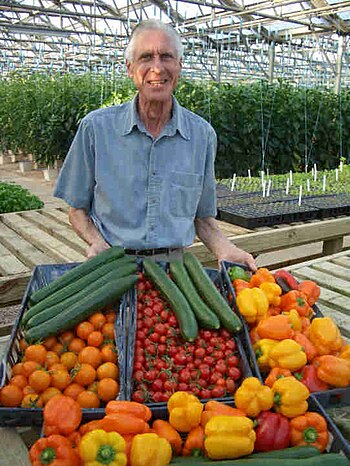
Gardening has been considered to be one of the most therapeutic rewards for North Americans. Gardening stimulates all of the senses, giving great satisfaction and pleasure.  Hydroponics is the growing of plants without the use of soil.  

There are a variety of benefits associated with hydroponic gardening.  When plants are grown using hydroponics, the roots do not need to search for required nutrients.  The nutrient solution is provided directly to them, which results in plant growth, which is more abundant.  Incorporating hydroponics into an outdoor garden can help add interest and intrigue.  The natural conditions available outdoors in the summer make it a perfect time to experiment with the various types of hydroponic cultivation.  Annual flowers, fruit, herbs, and vegetables do exceptionally well with hydroponics.  

With hydroponics, important growth factors such as light, temperature, and humidity can be controlled.  Since there is no soil, there is less maintenance involved with hydroponics.  There is no need for weeding and the worry of pests or soil-borne diseases is drastically reduced.  Hydroponics is always a soilless culture, but not all soilless cultures are considered to be hydroponics.  Many of these cultures do not use the nutrient solutions, which are required for hydroponics.  There are two main types of hydroponics, which are solution culture and medium culture.

Solution culture uses a nutrient solution but does not use a solid growing medium for the roots. The medium culture has a solid growing medium for the roots such as gravel, sand or a perlite culture.  Hydroponic plants are grown in a number of ways, each supplying nutrient solution to the plants one way or another.  

Hydroponics can be used to grow plants anywhere, even in your own backyard.  Using hydroponics can grow anything from garden crops to flowers.  Hydroponic gardening is considered to be a clean and highly effective method for growing plants.  There are less mess and less maintenance.  Hydroponic gardening helps to eliminate the need for weeding and helps to cut down on diseases and pests.  This form of gardening is also easily adapted to indoor environments, which means it can be used throughout the year to grow a gardener’s favorite plants.

The greatest advantage to hydroponics is the overall outcome of the plants, which will be of better quality and are much healthier.  Gardeners can give nature a helping hand while enjoying the therapeutic benefits of their garden.  Gardeners will be able to watch the spectacular improvements that growing hydroponically can bring to their garden.  


Hydroponics has always been an ecologically sound gardening choice.  It uses much less water than conventional gardening and does not erode the soil or add toxins to the environment.  Soluble nutrient formulas are re-circulated and used by the plants’ roots, which helps eliminate environmental waste.

As many gardeners today are choosing to grow organically, organic crop cultivation in hydroponics has become very popular.  Organic gardening is the cultivation of plants without the use of synthetic chemicals or pesticides.  Gardeners are willing to invest in the extras required by organic gardening because it ensures that no harmful pesticides or fungicides will be used.


Friday, May 4, 2018

All About Italy's Spicy Marinara Sauce

Marinara Sauce - Photo: Pixabay
Marinara sauce is a popular Italian red sauce. This meatless sauce can be easily and quickly made from tomatoes, onions and herbs. You might find this sauce a little spicier than other red tomato sauces. This is because it has large amounts of garlic, oregano, basil, and even chilli pepper. Its simplicity and easy-to-make feature allow it to be used in many great Italian dishes.

Besides its traditional use of highlighting the mild taste of pasta such as linguini or ziti, marinara is also a popular dipping sauce for finger foods like fried mozzarella cheese sticks and calzones. This sauce can be used by you to add a little zest to meat dishes such as chicken, veal Parmigiano, pork steaks, and grilled seafood. You can also use it to replace mustard or mayonnaise in a burger or a chicken filet sandwich and perhaps relish the food more.

Despite being easy to make, there are currently hundreds of types of marinara in the market. The popularity of the sauce may be due to recent research, which revealed that cooked tomatoes are rich in lycopene, an antioxidant that may help reduce the risk of certain types of cancer.

Origins of Marinara Sauce

Marinara is derived from the Italian word Marinaro meaning “of the sea” and marinara sauce loosely translates into “the sauce of the sailors”. It originated with sailors in Naples in the 16th century, after the introduction of tomato by the Spaniards. In those days of no refrigeration, it was in great demand among the cooks on the ships for two reasons. Firstly, because the absence of meat and high acid content of the tomatoes would not spoil the sauce, and secondly because it was easy to prepare.

Preparation of marinara sauce

Ingredients

6 pounds ripe Italian-type tomatoes
1 cup very finely minced onion
1/2 cup very finely minced celery
1 cup very finely minced carrots
1/2 cup olive oil
1 teaspoon sugar

Seasonings - Added according to taste

Ground white pepper
Ground coriander
Dried marjoram
Dried basil
Dried oregano
Salt

Drop tomatoes into boiling water, a few at a time. Let the water return to a boil, then remove the tomatoes and drain. Peel and chop.

Cook the onion, celery, and carrots in the olive oil, in a large covered saucepan, over medium-low heat for about 15 minutes, stirring a few times. Uncover and stir, over the heat, for 5 to 10 minutes more, or until the vegetables are very soft and light gold.

Add the tomatoes, sugar and pepper and simmer gently, covered, for 15 minutes.

Puree the sauce through the medium disc of a food mill. Add the optional seasoning and cook at a bare simmer until the desired consistency is reached, about 20 minutes, stirring often. Add salt to taste. You can add a little hot sauce to give it a kick as well.

If you prefer a smooth sauce, work the sauce through the fine disc of a food mill.

Cool the marinara and refrigerate it. It will keep, refrigerated, for about a week, or for several months if frozen.


Thursday, May 3, 2018

Herb Gardening

Herb Garden - Photo: Pixabay
Herbs have been around since time immemorial. Ever since herbs have served different kinds of purposes. Herbs have been used to treat illness and also in cooking. They were even believed to have magical charms. Do you want to have your own herb garden? Here are a few ideas on how to establish an herb garden.

Plan your garden.

Consider the herbs you want to plant. Think about their types. Would you like annuals, biennials or perennials? 

How much space will they occupy in your garden? If you want, you can purchase a book that can give you the right information on what specific plants you are planning to grow. 

List or draw your garden on paper first. Separate the annuals from the perennials so when the time comes that you have to pull out the annuals, you won't be disturbing the perennials. Perennials can be planted on the edge of your garden so when it is time to till your garden; you won't have a hard time. 

Another thing to remember is that you have to plant the tall ones at the back and the shorter ones in front. Also, provide your plants with enough space to grow. The proper position shall help you in this area. 

Some Design Ideas

You can consider having a square herb bed. You can have your square bed divided into four by two paths crossing at midpoint measuring 3 feet. You can border it with stone or brick. A wooden ladder may also do the trick. You can lay it down on your garden and plant your herbs between its rungs. You can also choose to have a wagon wheel bed. Planting here is like planting with the wooden ladders. Plant your herbs in between the wagon wheel's wedges. 

Get Your Plants Growing

Of course, different plants have different needs. This is the reason why you have to determine the herbs you want to plant in the planning stage. This can more or less help you find out how you should care for your plants. With starting seeds, remember its germination and soil temperature rules. If you see the seedlings sprouting, check the plants' air circulation, humidity, and sunlight. When you see some leaves appear, allow proper spacing. 

One of the plants that are easy to grow is herbs. You just have to provide them with an effective drainage, sunlight, enough humidity or moisture and fertile soil. Even with just minimally meeting these requirements they will be bound produce a good harvest.


Warm Up To Frozen! You can make a scrumptious ravioli meal in minutes.

Ravioli - Photo: Pixabay
These aren't your grandfather's frozen foods! The variety, quality, and taste of today's Freezer Favorites have surpassed the well-known convenience of frozen foods years ago. You now have many choices for warm, delicious, home-cooked meals, from your freezer to the table in minutes.

There may be no better time to enjoy these delicious foods than during March National Frozen Food Month when many stores will be featuring special prices and promotions on these tasty freezer favorites. Here are some great ideas:

• Breakfast--stock your freezer with quick-fix options such as waffles, pancakes, bagels, eggs, sandwiches, juices and more.

• Lunch--you'll find many lean, one-dish selections. Convenient, quick, take to work, microwave-enjoy.

• Snacks--always have on-hand pizza, mozzarella sticks, chicken tenders and more.

• Dinner--try the many frozen fish, seafood, chicken, beef and full-course meal selections, as well as vegetables, potatoes, and pasta.

• Desserts--keep frozen pies, cakes and ice cream on hand to make any occasion special.

Here is a marvelous meal in minutes:

Scrumptious Ravioli


  • 1 16-oz. bag frozen Cheese Ravioli
  • 1 jar prepared Spaghetti Sauce
  • Parmesan Cheese


Add frozen ravioli to a pot of gently boiling water. Cook according to package directions. Drain and toss with small amount of olive oil to avoid sticking. Toss with heated spaghetti sauce. Serve in your favorite pasta dishes. Sprinkle generously with parmesan cheese. Don't forget the garlic bread!


Sunday, April 29, 2018

Specialty Trees - A Beginner's Guide

Photo: Flickr
There are two types of specialty trees, to begin with, but their difference relies not on their plant type but on the meaning behind their classification.

One type of specialty trees are plants that are rare and difficult to find; these specialty trees are also often more difficult to plant and grow. The other type of specialty trees deal with holiday gifts that are specially decorated or accessorized to suit the occasion; these specialty trees can be natural or man-made.

We’ll discuss both types of specialty trees in this article.

RARITY OF NATURAL SPECIALTY TREES
If you’ve had a change of heart when it comes to your garden’s present landscape design, we suggest that this time around, you should take more of a challenge in the form of specialty trees.

Specialty trees are, as mentioned, trees that are difficult to find and also difficult to go because of the special conditions they require; specialty trees tend to have very exact needs when it comes to exposure to sunlight, irrigation, soil type and sometimes even their very location in your garden. So yes, if you’re not exactly born with a green thumb, you’ll be facing a Herculean task when it comes to making sure that your specialty tree would live a long and healthy life.

Tips on Buying Specialty Trees
Unless you’re willing and able to expend the majority of your time in your garden, it’s highly inadvisable to fill your garden with specialty trees. Instead, try to use old standby plants as foundations or anchor of your garden’s landscape design then choose the specialty tree that appeals to you the most and make it into your garden’s centerpiece.

It’s also better to purchase specialty trees from the experts – they usually have their own nurseries – rather rely on what’s being sold in the department stores. That way, you’ll also benefit from their much-needed advice on caring for specialty trees.

There are many types of specialty trees so it’s rare that you’ll find your neighbor taking care of the same specialty tree herself; some examples would be pines, maples, assai palm, cacao, June plum and mamoncillo or Spanish lime.

Remember that plants – of the specialty variety or not – are also living creatures so make your choice wisely; select only the type of specialty tree that you’re certain you can truly take care of.

Lastly, if it becomes apparent that you’re not fully capable of taking care of your specialty tree, there are companies that offer specialty care services. They assist you in all ways to improve the health, stability, and livability of your special trees. These companies, for instance, can help you in rot pruning, cabling, administering soil and plant tissue tests, bracing, providing protection from lightning for your special trees and making adequate aeration systems.

SPECIALTY TREES FOR SPECIAL OCCASIONS
Specialty trees are fast becoming the most popular fad in gift-giving nowadays for all occasions. Although specialty trees are often used as corporate and wedding giveaways, they can also serve just as well as a birthday gift or a get-well-soon-present for someone who had just recently undergone an operation.

Specialty trees are most popular come Christmas time and families are given a wide variety of specialty trees to choose from. Some are simply natural trees that are accessorized with holiday ornaments while some are made of fiber optical materials and even hung upside down from the ceiling!

Most malls – land-based and online – sell such products so just remember to choose the specialty tree that’s most able to symbolize your message of care for a loved one or the heart of an occasion.